Does a mosquito-free pond exist?
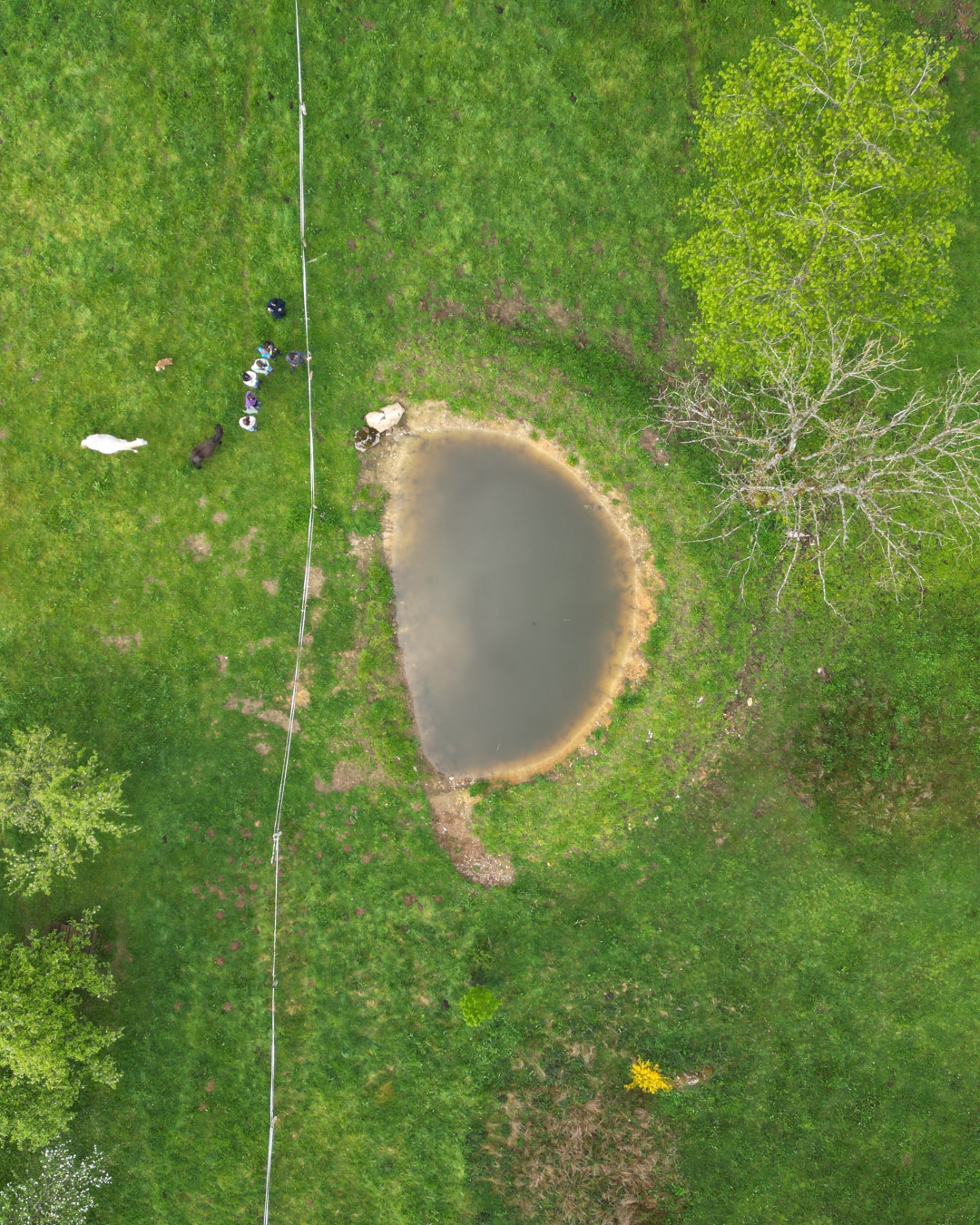
Contrary to popular belief, a natural and balanced pond does not encourage mosquitoes, but reduces them through an ecosystem rich in predators. Dragonfly larvae, tadpoles, diving beetles, and bats eliminate up to 90% of mosquito larvae before they reach maturity. Moreover, competition for oxygen and food with other aquatic species limits their survival.
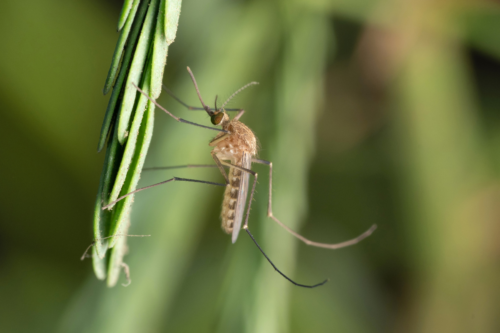
In contrast, a eutrophic pond (too rich in nutrients) or stagnant pond becomes favorable ground for mosquitoes: excess organic matter suffocates predators and favors resistant species such as the most common mosquito in Europe, Culex pipiens. To avoid this, it is necessary to oxygenate the water (waterfall, oxygenating plants), avoid inputs of green waste or fertilizers, and diversify habitats (deep and shallow areas).
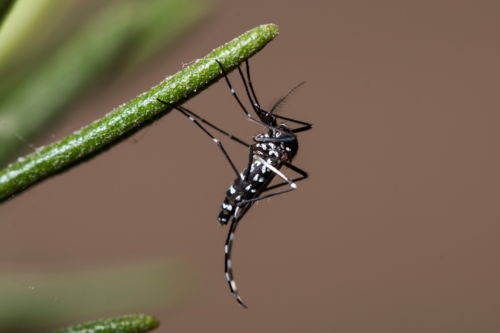
Studies show that well-managed ponds reduce mosquito populations by 50 to 90% compared to artificial water sources (tires, gutters). The tiger mosquito (Aedes albopictus), on the other hand, prefers small containers: simply eliminating these stagnant waters is enough to limit its proliferation.
However, be careful not to introduce fish into a natural pond.
Although certain fish species consume mosquito larvae, they also feed on many other aquatic organisms such as dragonfly larvae, newts, tadpoles, or various invertebrates. Their presence can therefore impoverish biodiversity and unbalance the ecosystem.

In a natural pond, it is the multiple predators naturally present that ensure effective regulation of mosquitoes. A pond without fish generally supports more diverse and resilient fauna, capable of maintaining sustainable balance.
In summary
a pond rich in biodiversity and well maintained is a natural and effective solution against mosquitoes, far more sustainable than insecticides!
—
Sources
“Mosquitoes”, EID Méditerranée Montpellier Mosquitoes: life cycle, species, nuisances | EID Méditerranée
“Ponds, an invitation to mosquitoes? Let’s avoid generalizations!” Ponds, an invitation to mosquitoes? Let’s avoid generalizations! – CR SENNE
“The pond, a natural and effective means of regulating mosquitoes” https://www.mares-libellules.fr/news/11/La-mare-un-moyen-naturel-et-efficace-de-r%C3%A9guler-le-mou…
“Creating ponds in the city: a lovely way to fight mosquitoes” https://reporterre.net/Creer-des-mares-en-pleine-ville-une-jolie-maniere-de-lutter-contre-les-moust…
Marí, R. B., Bañeres, A. B., & Peydró, R. J. (2014). Biodiversity and larval habitat heterogeneity of mosquitoes (Diptera: Culicidae) in northern Spain. Acta Zool Bulg, 66(4), 547-554.
Marc, I., Chibani, A., Alemad, A., Alkhali, A., Belala, A., Hadji, M., … & El kharrim, K. (2016). Étude écologique et entomologique des Culicides larvaires des gites de la province de Kenitra (Maroc). Eur Sci J, 12(32), 398.
Koumba, A. A., Koumba, C. R. Z., Nguema, R. M., Djogbenou, L. S., Ondo, P. O., Ketoh, G. K., … & Mavoungou, J. F. (2018). Distribution spatiale et saisonnière des gîtes larvaires des moustiques dans les espaces agricoles de la zone de Mouila, Gabon. Int. J. Biol. Chem. Sci, 12(4), 1754-1769.
Benhissen, S., Habbachi, W., Rebbas, K., & Masna, F. (2018). Études entomologique et typologique des gîtes larvaires des moustiques (Diptera: Culicidae) dans la région de Bousaâda (Algérie) Entomological and typological studies of larval breeding sites of mosquitoes (Diptera: Culicidae) in Bousaâda area (Algeria). Bulletin de la société royale des sciences de Liège.
Iro, S. M., Seydou, Y. A., & Doumma, A. (2020). Mesures des indicateurs de prolifération des larves de moustiques au niveau des mares permanentes et semi permanentes de Saga, Niger. Int J Biol Chem Sci, 14(4), 1188-1202.
Hery, L., Boullis, A., & Vega-Rúa, A. (2021). Les propriétés biotiques et abiotiques des gîtes larvaires d’Aedes aegypti et leur influence sur les traits de vie des adultes (synthèse bibliographique). Biotechnologie, Agronomie, Société et Environnement/Biotechnology, Agronomy, Society and Environment, 25(1), 57-71.