


The Context
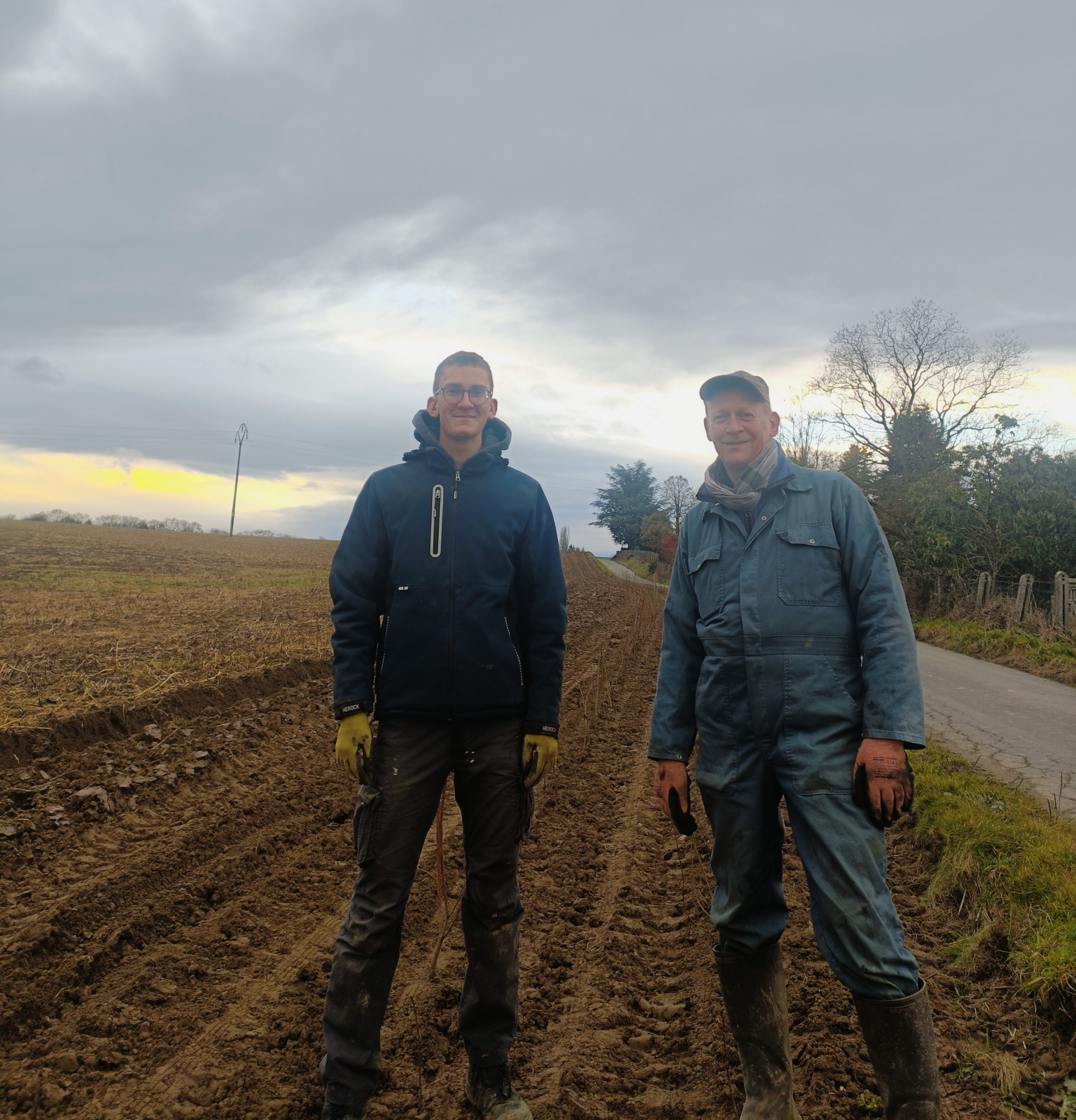
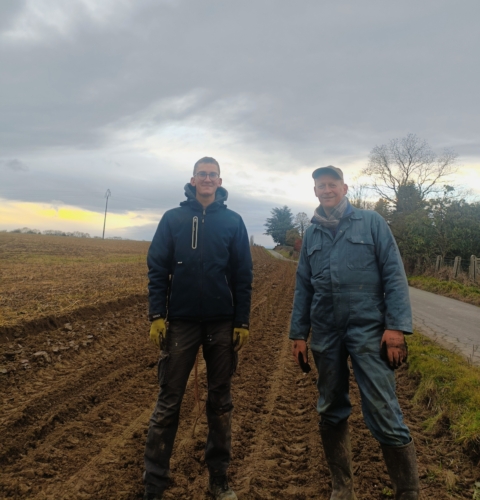
Arthur Geerts, an agronomist at Greenotec, is committed to enhancing biodiversity and ecological resilience on family land. His father, David Geerts, is a farmer in Grand Manil, a name derived from the Latin mansionile, meaning “small farm.”
The Moulin de Bedauwe Farm is a family operation where the passion for agriculture is passed down from generation to generation. Located on the outskirts of Gembloux, it benefits from a loyal clientele that enables it to sell part of its production directly at the farm.
Aware of the value and importance of the land, its operators are gradually implementing concrete actions to preserve it. An evolution of farming practices is currently underway to move toward agriculture that is more respectful of soils and the environment.
The establishment of hedges and grass strips is part of this approach and helps maintain an ecological network within the agricultural landscape. Taking care of the land today also means thinking of future generations.
In this continuity, Arthur and David Geerts wish to sustainably structure their plots and strengthen the local ecological network.
The Project
On the plots located in Gembloux, the project consists of establishing three segments of single-row hedges to strengthen the ecological structure of the agricultural landscape.
The hedges represent a total length of 563 meters and are distributed as follows:
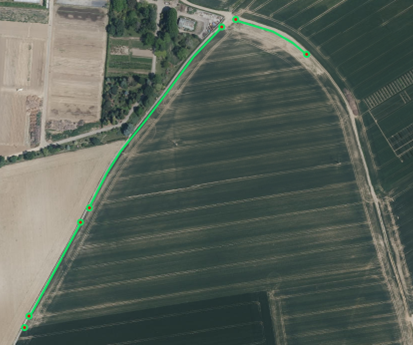
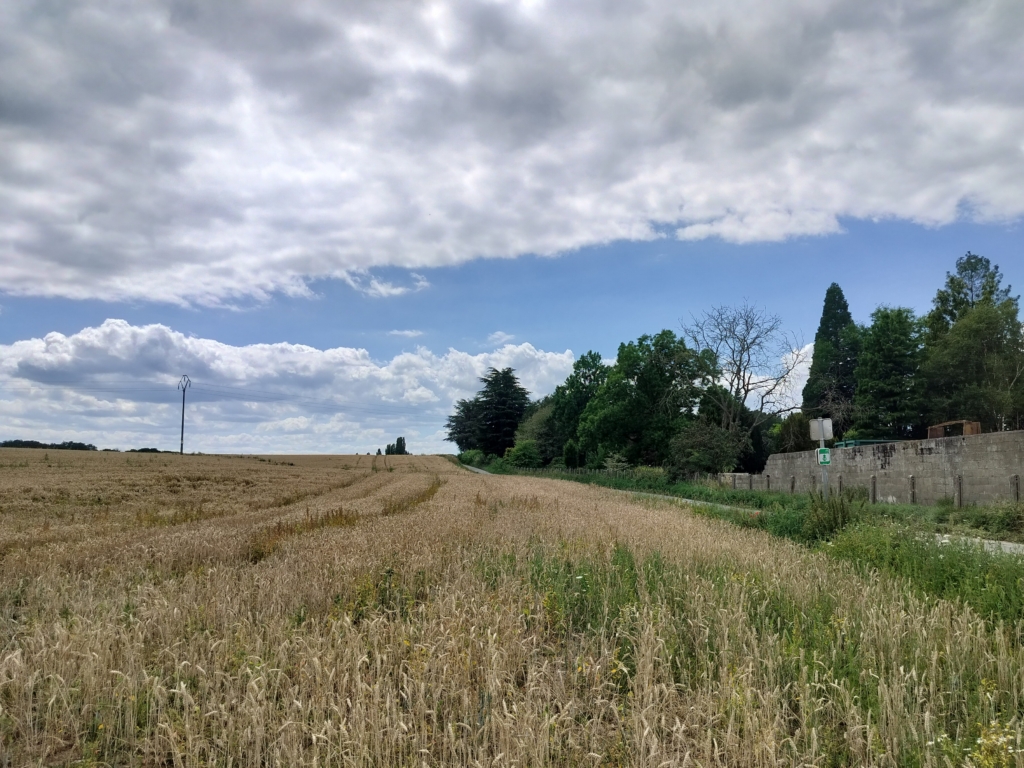
These hedges integrate into the organization of the plots and accompany the natural dynamics of the terrain, particularly the water runoff axes and the structural boundaries of the landscape.
To increase the structural diversity of the hedges, standard trees are planted every 12 meters. This alternation between shrubs and trees makes it possible to create, over time, a diversified hedge offering varied habitats for wildlife and better landscape integration.
Project Objectives
The establishment of these hedges pursues several complementary objectives.
From an agronomic perspective, they help protect crops against wind, thereby limiting erosion of soils and excessive water evaporation. They also help slow runoff, promoting infiltration of water into the soil and limiting nutrient losses.
On the ecological level, hedges provide refuges and corridors for numerous animal species: birds, pollinating insects, small mammals, and beneficial organisms for crops. By recreating these linear structures in the landscape, the project strengthens connectivity between different natural habitats.
Finally, these developments contribute to sustainably structuring the agricultural landscape and strengthening the local ecological network.
-
Hedges in Gembloux – Arthur & David’s ProjectLearn more
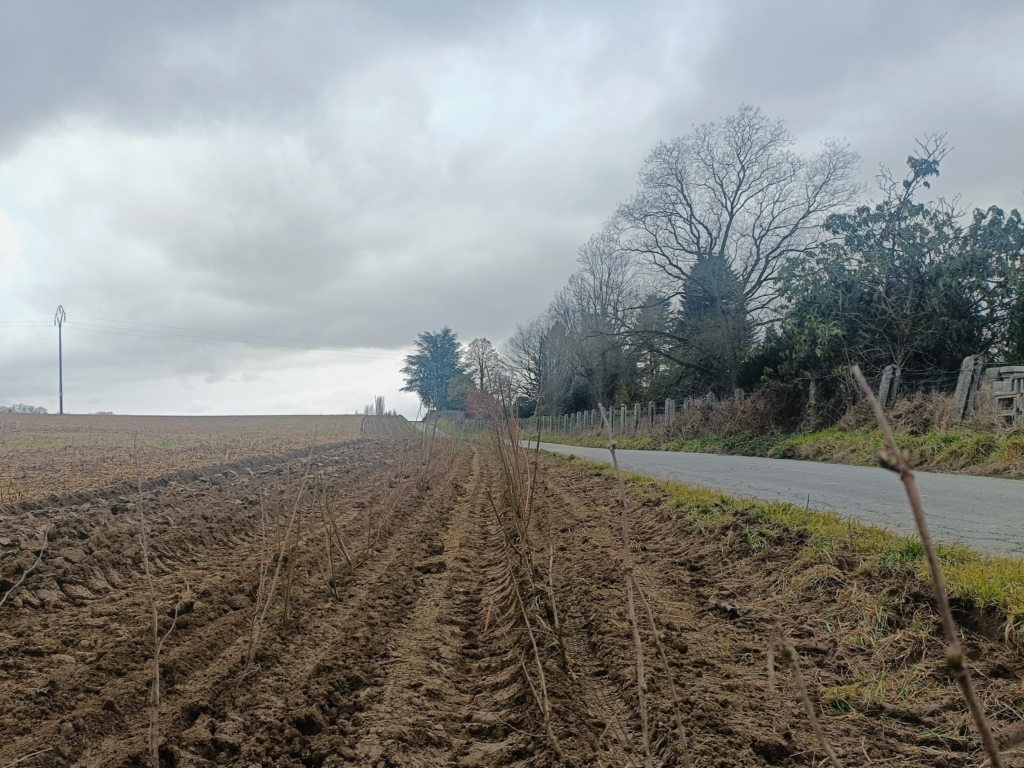
The Planting
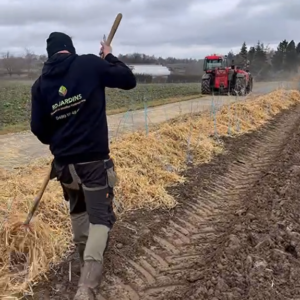
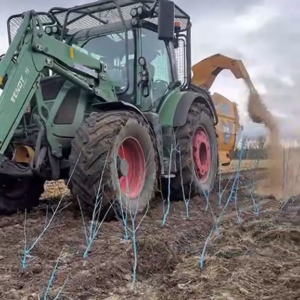
It was carried out during the 2025-2026 season, a favorable period for planting young plants.
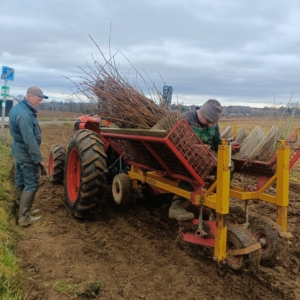
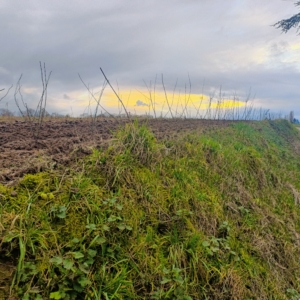
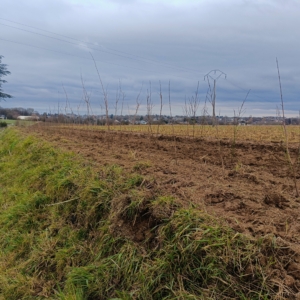
The composition of the hedges favors a diversity of local species, adapted to the pedoclimatic conditions of the region and favorable to wildlife.
No fewer than 9 species were selected for David and Arthur’s project.
This plant diversity ensures flowering and fruiting spread over time, providing food and shelter to numerous species throughout the year.
Monitoring and Maintenance
To ensure successful establishment of the plantings, several support measures are implemented.
Young plants are protected against wildlife using protective sleeves and a SEMA-type repellent. Mulch is installed at the base of the plants to limit competition from weeds and retain soil moisture.
In case of dry periods, occasional watering may be carried out, limited to three interventions per spring and per summer.
Annual maintenance also includes clearing and controlling vegetation around the plants to ensure their proper development during the first years.
A Project to Strengthen the Ecological Network
With more than half a kilometer of hedges planted, this project represents a concrete contribution to the restoration of the bocage landscape around Gembloux.
Over time, these hedges will form sustainable ecological structures, promoting biodiversity, improving the hydrological functioning of the plots, and contributing to the resilience of agricultural systems in the face of climate change.
Hedge
-
Planting / installation period2025-2026 season
-
Number of trees1 625
-
Area2 252 m²
-
Meters of hedge563 m
-
Carbon42.49 T of carbon sequestered over 20 years
List of selected species
| Viburnum opulus (guelder rose) | |
|---|---|
| Sambucus racemosa (red elderberry) | |
| Cornus sanguinea (common dogwood) | |
| Acer campestre (field maple) | |
| Cornus mas (cornelian cherry) | |
| Corylus avellana (hazel) | |
| Crataegus monogyna (hawthorn) | |
| Salix purpurea (purple willow) | |
| Rosa canina (dog rose) |
