


Context
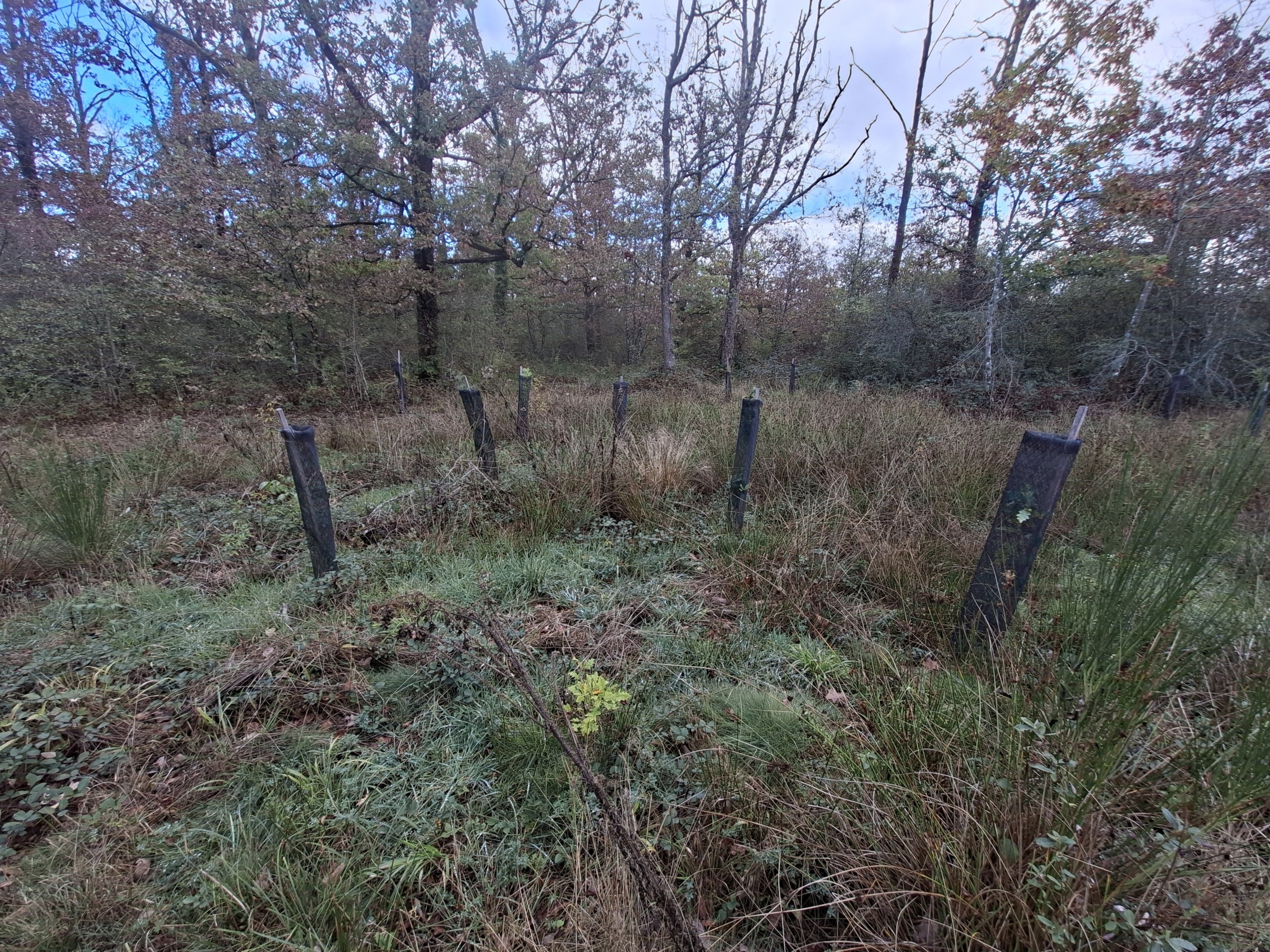
Located in Petit-Han, in the Province of Luxembourg, this 1.1-hectare forest plot has been affected by oak decline syndrome, a complex phenomenon caused by a combination of factors—primarily climate change (droughts, heat spikes) that weakens trees, making them vulnerable to secondary stresses such as fungi (e.g., Phytophthora, honey fungus) or insect pests (oak borer).
Thanks to the support of Walibi Belgium, this forest—affected by combined hazards and poor past management choices—now benefits from a project aimed at recreating a diverse, resilient stand adapted to local conditions.
Location
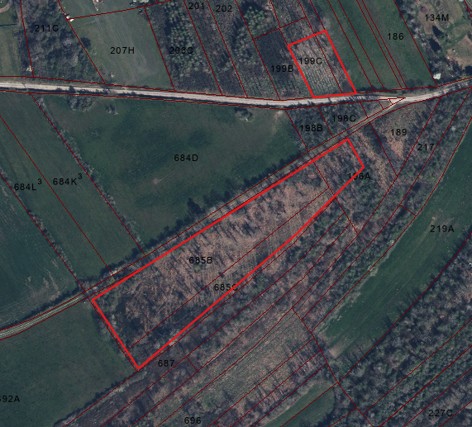
The plot is located on the edge of the Bois de Petit-Han woodland, southwest of Durbuy.
Cadastral references: 83016B0199/00C000, 83016B0192/00_000, 83016C0685/00B000, 83016C0685/00C000, 83016B0196/00A000
-
Reforestation in Petit-Han following oak declineLearn more
PLOT MONITORING
THE PLANTING
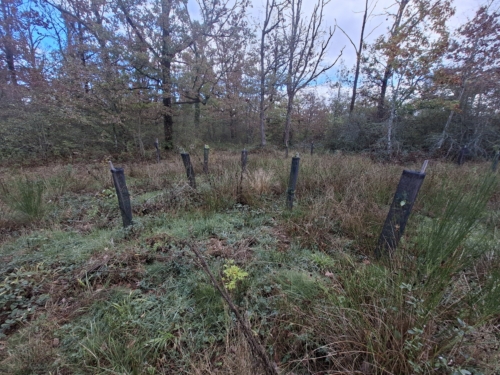
The planting took place during the month of March 2026. It was carried out using powered augers. Most sessile oaks were protected from roe deer with tree shelters.
SURVIVAL RATE
- October 8, 2026
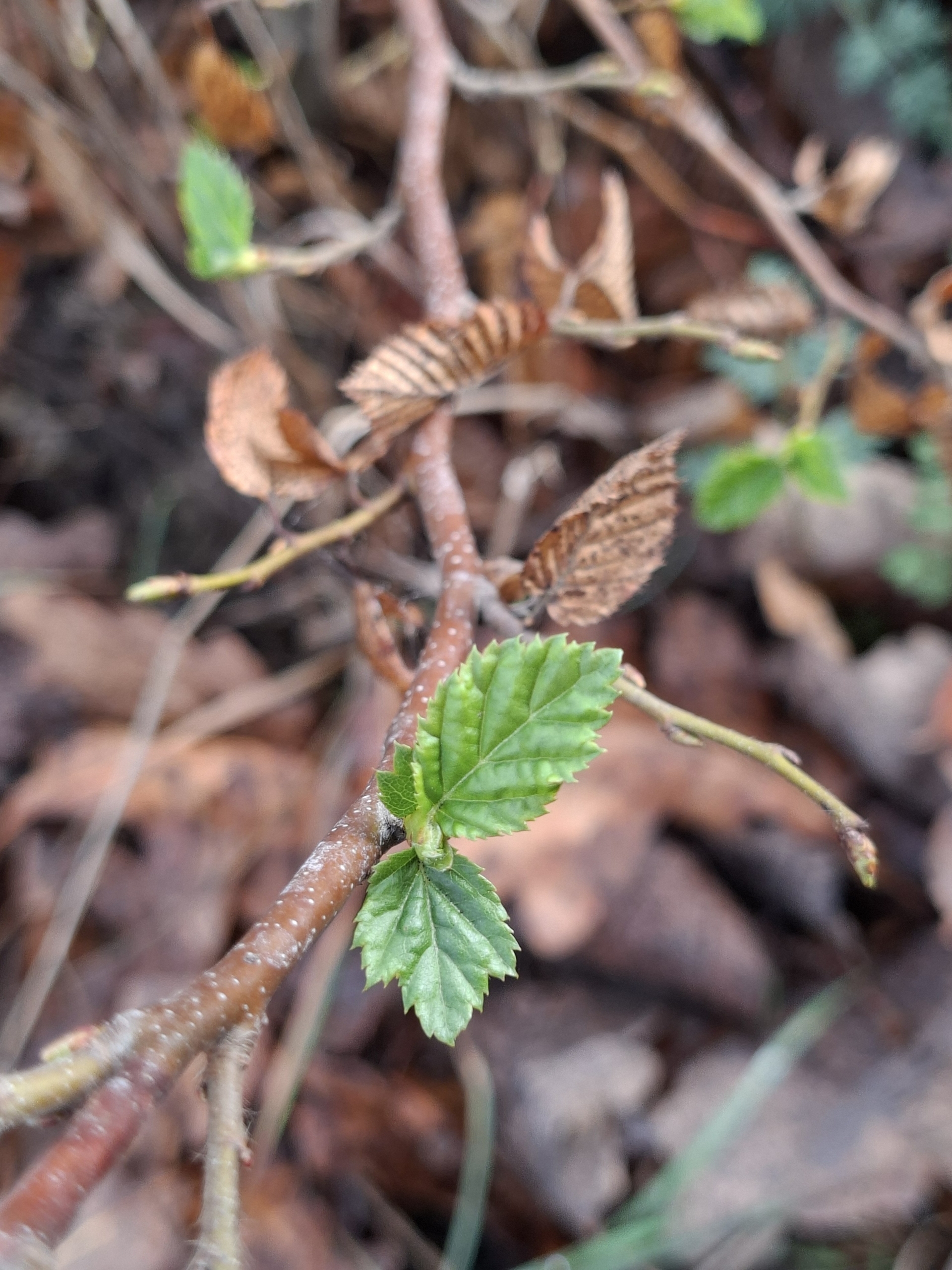
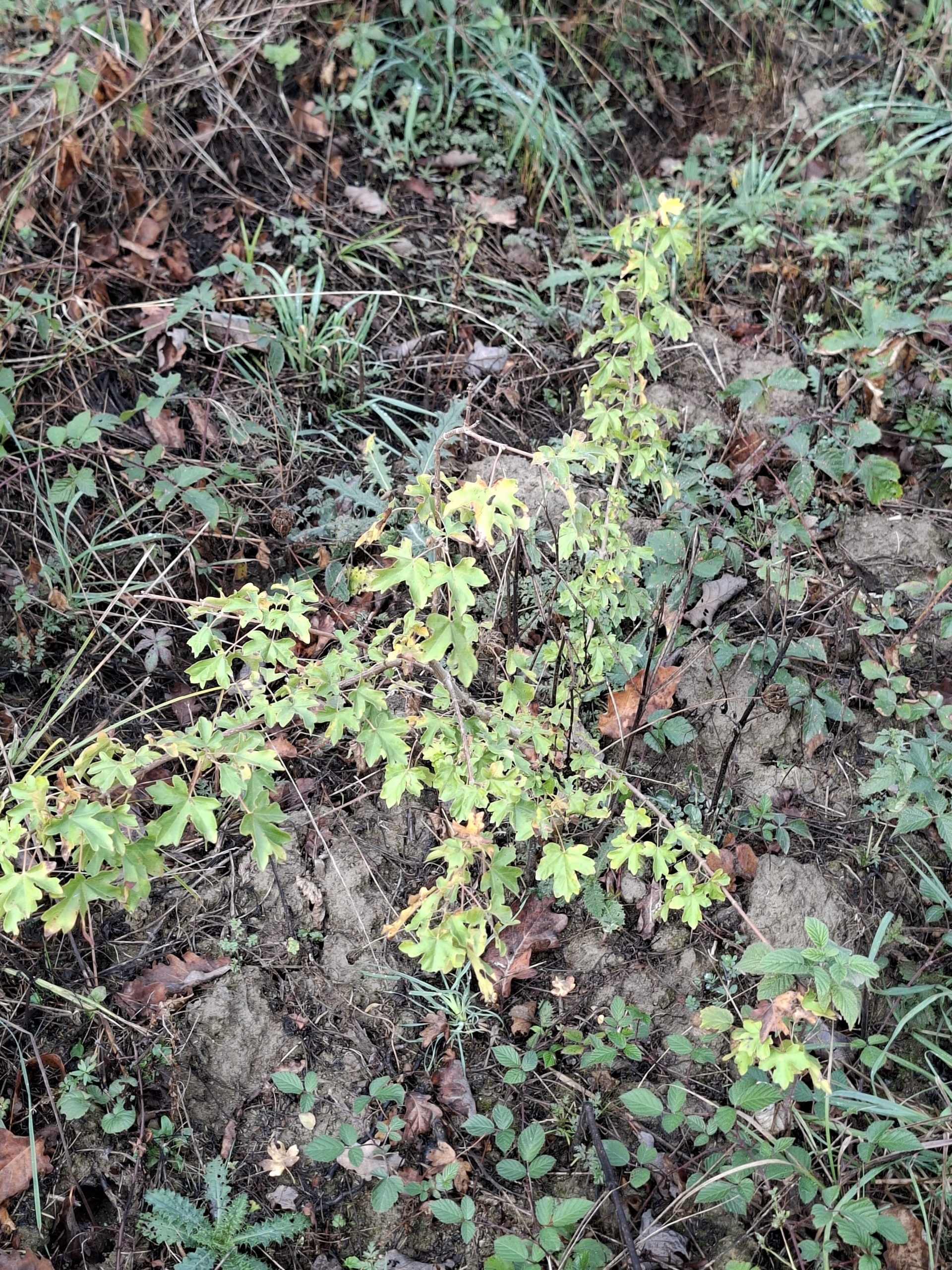
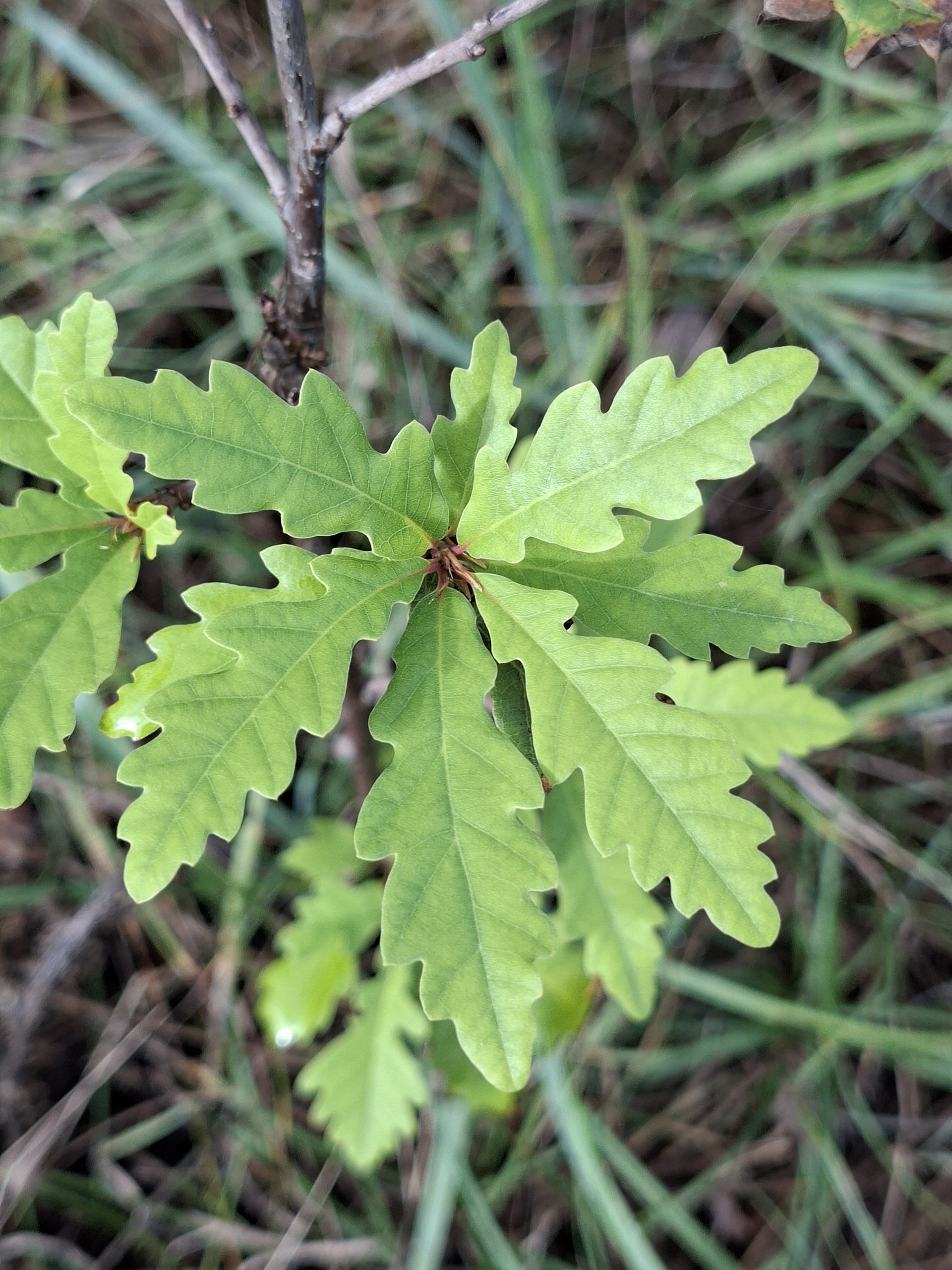
Despite the very hot summer coupled with significant water stress, the young plants showed a high survival rate, particularly high for field maples and small-leaved limes. Common hornbeams and sessile oaks showed a lower rate, around 65%.
However, it is possible that some plants will recover in the spring, and the apparent dieback corresponds to temporary stress following the specific weather conditions. These plots also showed the presence of significant natural regeneration of sessile oak.
PLOT AUDIT (to be scheduled in 2030)
Acting together for more resilient forests
This project illustrates Walibi Belgium’s commitment to supporting concrete actions in favor of biodiversity and the adaptation of territories to climate change. By restoring a degraded forest with species adapted to the environment, this partnership helps recreate a functional ecosystem, beneficial for the climate, water, and local biodiversity.
Forest
-
Planting / installation period2025
-
PEFCNo
-
Number of trees700
-
Area11 000 m²
-
Carbon72 T of carbon sequestered over 30 years
List of selected species
| Small-leaved lime (Tilia cordata) | 100 |
|---|---|
| Field maple (Acer campestre) | 100 |
| Common Hornbeam (Carpinus betulus) | 100 |
| Sessile Oak (Quercus petraea) | 400 |