

The Context
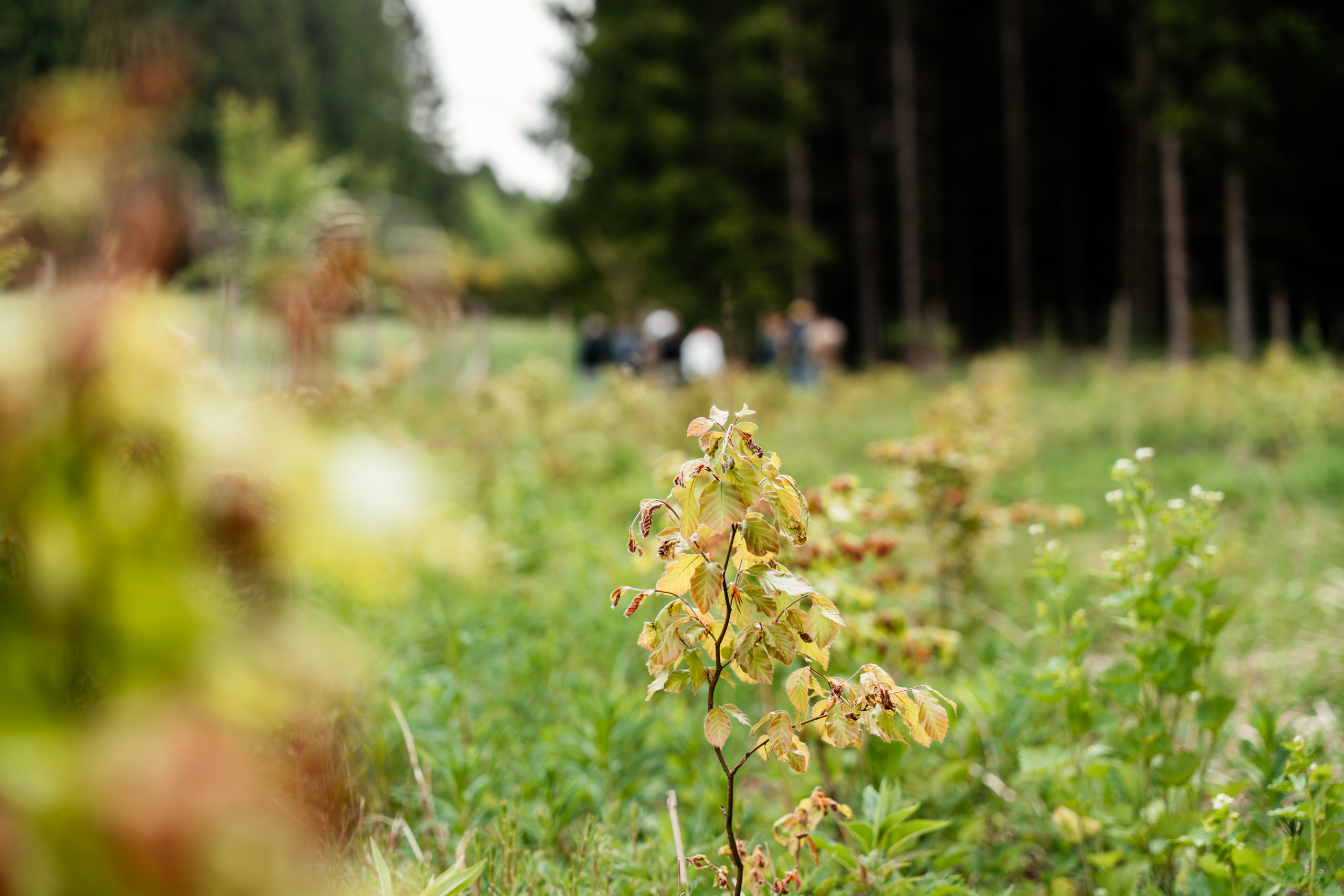
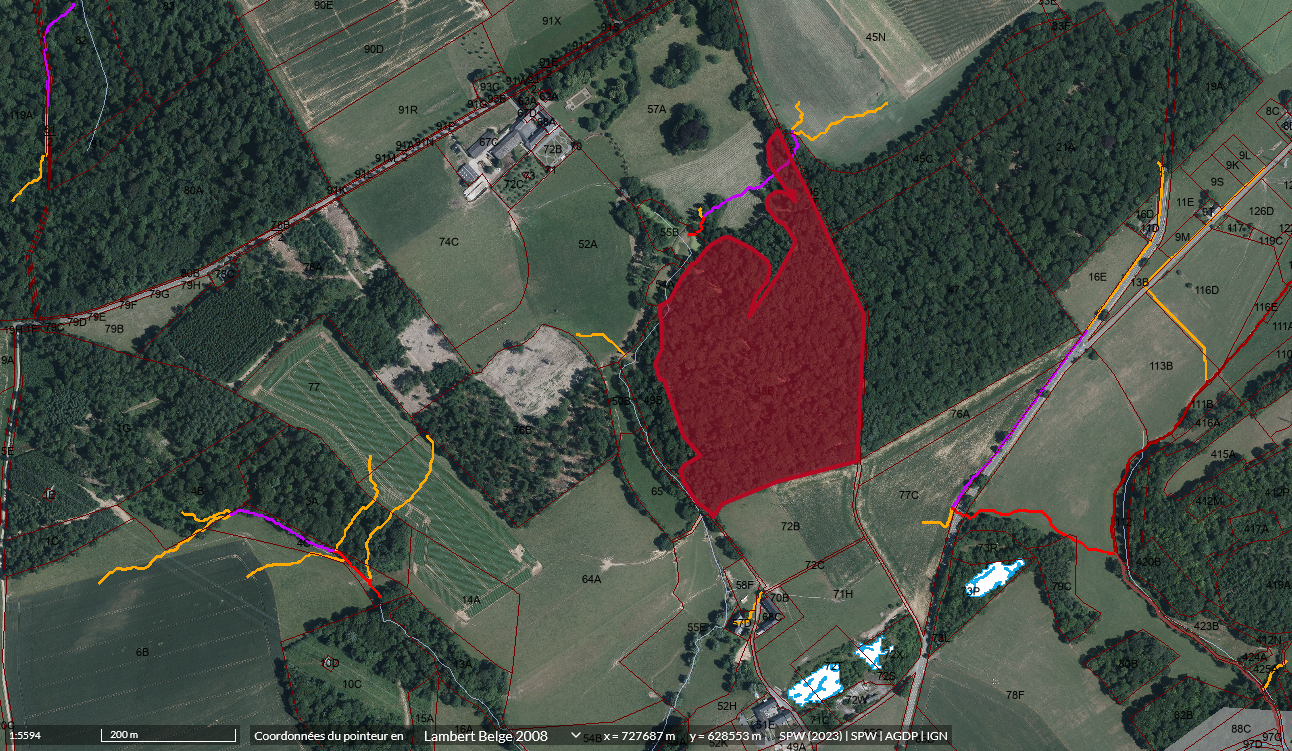
In Anthisnes, this forest plot was historically composed of ash trees. Like many Walloon forests, it has been severely affected by ash dieback, a disease that causes the progressive decline of ash trees.
In order to preserve the quality of the stand and prepare for the future of the forest, an early sanitary felling was carried out. The aim today is to rebuild a forest ecosystem that is more diversified, more resilient and better adapted to climate challenges.
The Project
The project plans to reforest 0.8 hectares of forest spread over two complementary plots.
The planting combines several native broadleaf species suited to the site:
- Sessile Oak
- Birch
- Hornbeam
- Beech
Participation per tranche of €25 incl. VAT is equivalent to 316 kg of CO₂ or 6 trees planted.
This reforestation project is part of sustainable forest management in line with the principles of PEFC certification (Programme for the Endorsement of Forest Certification). This certification guarantees that the forest is managed with respect for environmental, social and economic criteria, including:
- maintaining biodiversity and natural habitats;
- the sustainable renewal of forest stands;
- preserving soils and water resources;
- adapting species to site conditions;
- timber production that reconciles economic performance with the preservation of ecosystems.
The project also includes a share of red oak, in order to further diversify the stand and strengthen its resilience.
On the first plot, the species are planted in successive strips, while the second favours a more intimate mix of the different species. This structural diversity will encourage the gradual establishment of a rich, balanced forest.
A more resilient forest
The choice of species meets several objectives:
- restoring a sustainable forest canopy after the disappearance of ash trees;
- promoting a diversity of habitats for fauna and flora;
- improving the biological quality of soils thanks to complementary root systems;
- creating a stand better able to withstand diseases and the effects of climate change.
The sessile oak, an emblematic species of European forests, will play a major role thanks to its longevity, its ability to host remarkable biodiversity and the richness of its acorns, which are valuable for many animal species.
Pioneer species such as birch will help support the development of the future stand by gradually improving forest conditions.
Why fund this project?
By supporting this project, you are contributing to the restoration of a sustainable Walloon forest.
Your contribution will make it possible to:
- rebuild a diversified forest after ash dieback;
- create new habitats for biodiversity;
- sustainably improve the quality and stability of soils;
- strengthen forest resilience in the face of climate change.
Each tree planted helps prepare a richer, more functional forest that is better adapted for future generations.
-
Reforesting a former ash stand in AnthisnesParticipate in this project
Forest
-
Planting / installation period2026
-
PEFCYes
-
Number of trees1 775
-
Area8 000 m²
-
Carbon92 T of carbon sequestered over 30 years
List of selected species
| Sessile Oak | 300 |
|---|---|
| Northern Red Oak | 200 |
| Birch | 250 |
| Hornbeam | 275 |
| Beech | 750 |