At PlantC, we support farmers in establishing so-called “auxiliary” hedges: multifunctional plant lines designed to promote biodiversity while addressing the agronomic challenges of farms. These hedges, far from being simple landscape elements, are true ecological infrastructures that ultimately help limit the use of plant protection products.
Rationalizing the Integration of Beneficials Based on Crop Rotations
Introducing a high diversity of plant species is a necessary but insufficient approach to maximize benefits for the agricultural system.
While certain plant species will allow for the early hosting of beneficials useful for regulating populations of species whose proliferation is problematic for certain crops (aphids, etc.), others may serve as intermediate hosts for certain species harmful to the agricultural system.


It is therefore necessary to rationalize the composition of species based on crop rotation and the pests most problematic for the farmer. The presence of production legumes (beans, peas) in the rotation, or high-frequency cereals, will de facto lead to the exclusion of certain species likely to offer winter egg-laying sites for some aphids.
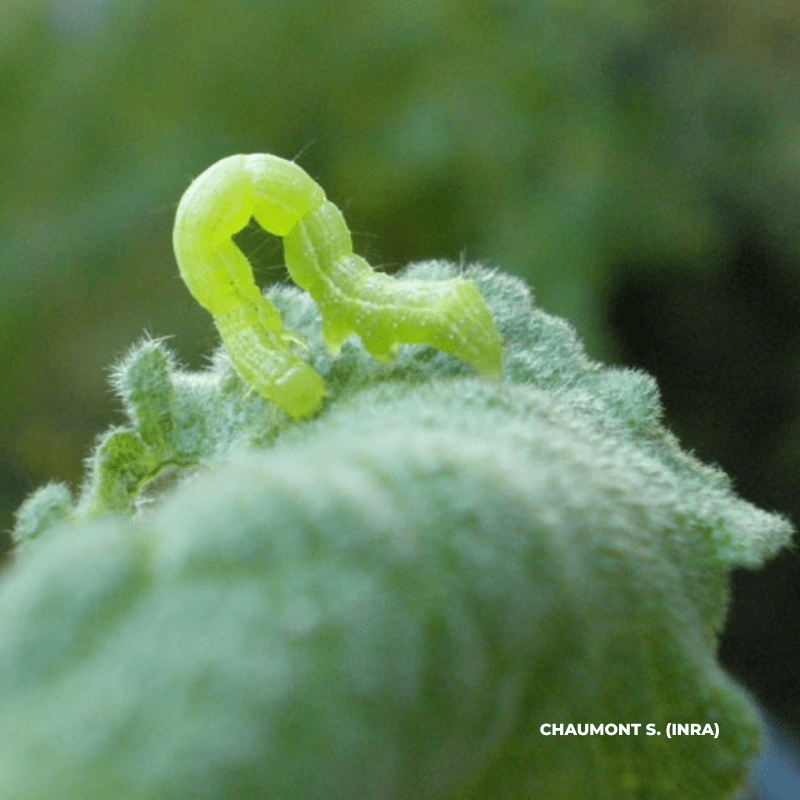
It should be noted that to maximize the hosting of beneficials, it is ideally necessary to rationalize the arrangement of tree, shrub, and herbaceous layers. Herbaceous and floral strips are the preferred structures. The combination of hedges and floral strips offers broad diversity, diversifies winter refuges, and extends flowering to maintain attractiveness for pollinators and beneficials. To further enhance this winning combination, certain features can be added: birdhouses for passerines, raptor perches, rock piles, deadwood, to target auxiliary macrofauna (tits, kestrels, slow worms, weasels, hedgehogs, etc., depending on the local ecological context) which will help limit the proliferation of caterpillars, voles, slugs, etc.


Hedges can play a very useful windbreak role for the proper development of certain crops (e.g., limiting the influence of cold northern winds for spring crops). Conversely, it is sometimes useful to maintain a certain air circulation in certain crops susceptible to fungal diseases (vines, potatoes, etc.). Indeed, air circulation will limit the duration of leaf wetness, which is conducive to the development of certain pathogens (downy mildew, etc.).
Structure and exposure therefore play a key role. The layout at the agricultural plain level is also crucial.
A pest proliferation is above all the symptom of an ecosystem imbalance
In contrast to a trend towards the simplification of agricultural landscapes that has been ongoing since the second half of the 20th century, the development of agroecology requires the restoration of ecological continuities and the return of a certain complexity. This complexity of structures and landscapes supports fauna and flora and trophic chains where prey and predators tend to regulate each other more effectively.

Making living organisms our best agronomic ally: only at this price will the use of plant protection products decrease.
However, this transition must be approached without naivety: the road is long and fraught with pitfalls for farmers, who will have to reinvent their profession. This involves new learning, adapted machinery, and flawless agronomic mastery for effective adaptation to global changes. A true revolution is already underway in our rural areas. We witness it every day: a generation of farmers/experimenters/scholars/managers is now networking to lay the foundations for more robust agriculture.
For our part, we modestly strive to make their lives easier.
Some inspiring examples
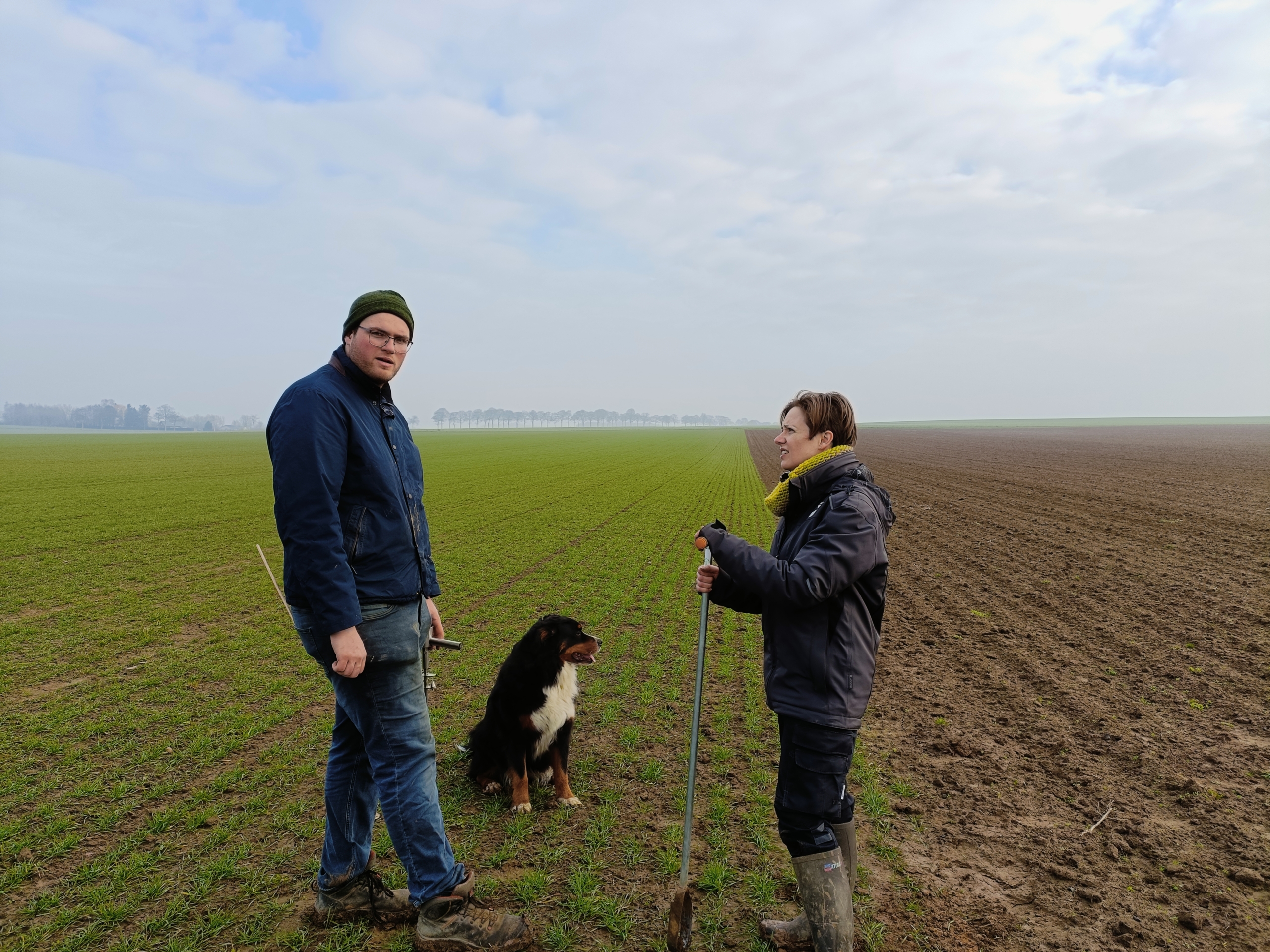
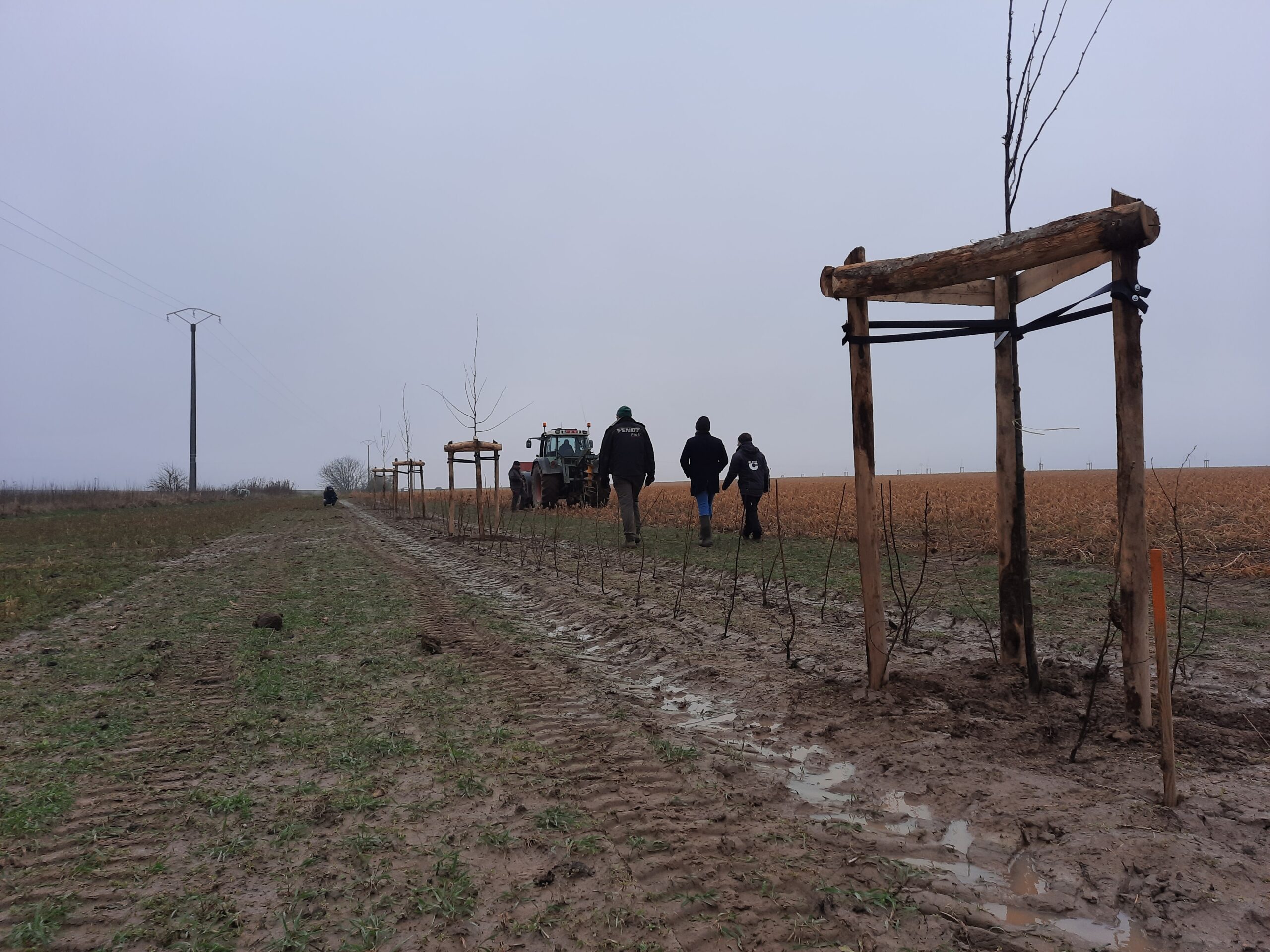
In Mélin, at Thibaut’s farm, a country hedge was planted to reduce wind effect, promote pollinators, and attract crop beneficials (such as hoverflies, ladybugs, predatory bugs, ground beetles, etc.), while creating a natural barrier against spray drift. This planting is part of an already well-initiated agroecological transition.


The same logic applies in Boignée, where a hedge was designed with diverse plant layers to provide shelter, food, and corridors for local species. This project is part of a broader effort to reconnect elements of the ecological network while supporting sustainable agricultural practices.


Finally, in Fleurus, a hedge near potato fields helps to limit pest pressure, while offering refuges for beneficial fauna. The objective? To create a natural balance, where crop enemies are regulated by their natural predators.