Insect Decline
What if the silence of insects became our era’s alarm call?
The decline of this animal class reveals a silent upheaval with dramatic consequences for our planet and our food supply. Discover Pierre’s story and delve into a crucial ecological issue: insect decline.

July 12, 2008
Pierre Rinet is looking forward to going on vacation with his family. Like every year, the Rinets hit the road for Provence, always to the same place and at the same time, a deeply rooted tradition they cherish so much!
That’s it, it’s time to leave Belgium’s gloomy sky, disconnect from the news, and for two weeks, forget the economic crisis hitting the country hard.
Everything is ready. The small family piles into the fully loaded Renault Espace.
After six hours on the road, the fuel light has been on for about ten kilometers. In the back, the young children are constantly shouting:

Are we there yet?
And then, this windshield, covered in crushed insects, needs washing!
Pierre stops at a gas station. Before tackling the cleaning, he takes the time to count: a good hundred insects litter his windshield! Not to mention the bumper, completely covered.
After this well-deserved break, the journey resumes, heading for vacation.
July 12, 2024 – Sixteen years later
Pierre finds himself back on the Autoroute du Soleil. He stops to fill up. With the pump engaged, he savors this break, eager to reach his destination.
His gaze falls on the terminal screen: the fuel price is rising. Then, he turns his attention to his windshield.
Spotless.

Astonished, he recalls the time when it took him ten long minutes to clean its surface, so covered was it with insects.
Thoughts rush through his mind:
— But where have they all gone?
— Why don’t I see any anymore?
Intrigued, he begins to inquire.
Through his research, Pierre discovers that the situation is far more serious than he had imagined…
An alarming finding
Insects, which appeared 400 million years ago, represent 80% of animal species and play a key role in ecosystems, particularly through pollination, which is essential for our survival.
Bees, butterflies, flies, beetles… These pollinating insects transport 80% of the pollen of flowering plants.

Without them, no pollination.
Without pollination, no plant reproduction.
Without plants, no fruits or vegetables.
In other words: without pollinating insects, we no longer exist.
The situation is catastrophic. In some places, insect populations in general have decreased by 70 to 90%.
Why?

➡ Intensive agriculture
➡ Massive use of pesticides
➡ Removal of hedges
➡ Loss of crop diversity
➡ Artificialization of soils
However, insects are the architects of the food chain:
➡ No insects? No flowers.
➡ No flowers? No plants.
➡ No plants? No more birds.
Amphibians, herons, foxes… All are impacted. One missing link, and the entire ecosystem collapses.
And us, would we be ready to eat potatoes at every meal… without spices?
Without pollinating insects, goodbye vegetables, fruits, spices, coffee, tea, and chocolate.
What can be done?
It is URGENT to act.
We must recreate landscapes favorable to insects, pollinating or not:
By planting hedges and trees
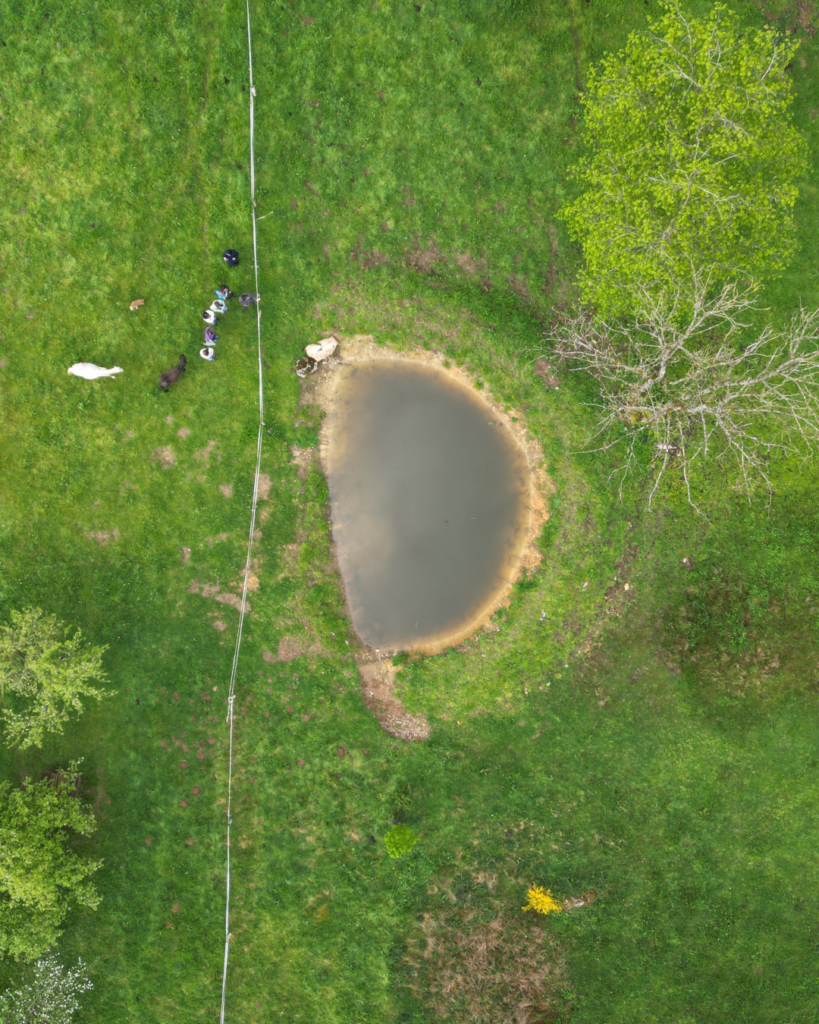
By digging ponds
By sowing wildflower meadows
By leaving deadwood on the ground and standing


At PlantC, we work to restore a diversification of environments in agricultural plains and businesses to multiply habitats where insects can also thrive.
Do you want to help us?
Sources:
https://www.mnhn.fr/fr/le-declin-des-insectes-pollinisateurs
Inspiration: Dave Goulson: Silent Earth – Averting the Insect Apocalypse