Light Pollution in the Spotlight
Light pollution is a disruptive factor for biodiversity that is still quite little-known. To better understand this phenomenon, we interviewed Thérèse Torrekens, project manager at Espace Environnement asbl, a partner organization of the European Lunéfil project. This project, funded by Interreg, aims to help territorial stakeholders move towards more restrained lighting, reconciling biodiversity preservation with the necessary uses of urban lighting.

The Issue of Light Pollution and its Impact on Ecosystems
[PlantC]: “ We are increasingly hearing about the impact of light pollution. Could you explain what this phenomenon entails and its effects on ecosystems ? “
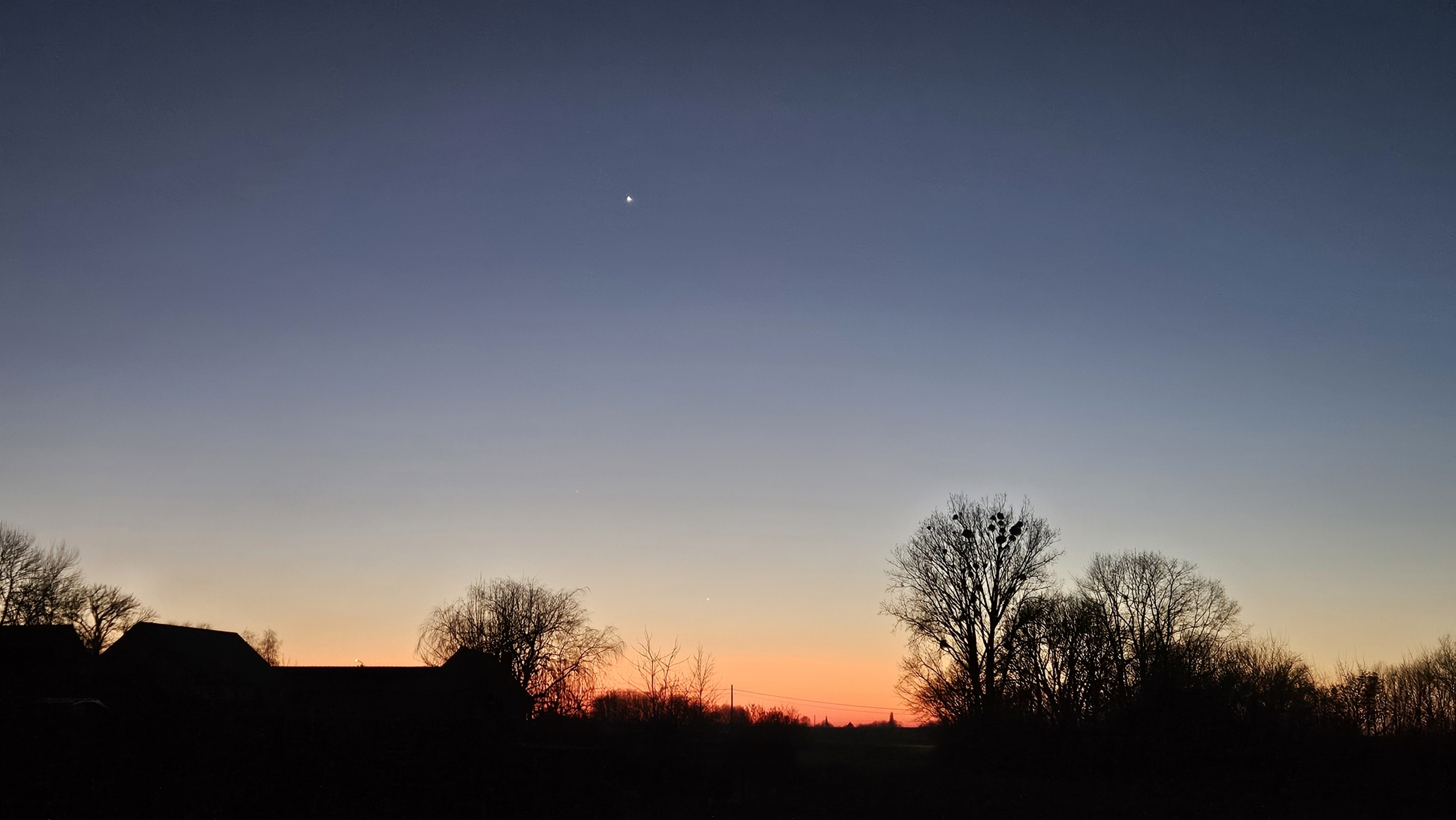
[Thérèse Torrekens] : “ Light pollution is a relatively recent concept, but its impact is increasingly recognized. Astronomers were already discussing it in the 1970s, pointing out that light halos hindered sky observations. In the 1990s, ecologists drew attention to this phenomenon, particularly its effects on the natural rhythms of ecosystems.
The definition I adopt is, “the excess of artificial light that alters natural light cycles (daily and seasonal) and modifies the nocturnal component of the environment“.
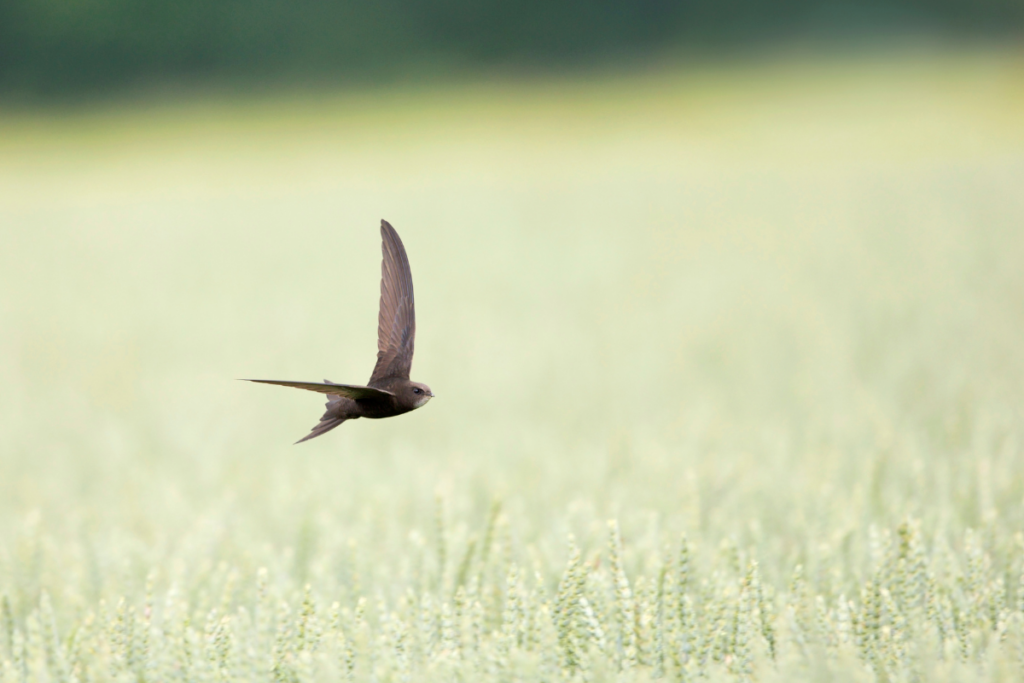
This impact on biodiversity is still too poorly documented, but we know it is largely negative, especially since approximately 28% of vertebrates and 60% of invertebrates live largely or entirely at night. These species have adapted to this nocturnal environment to feed, communicate, or reproduce. Take the example of bats, which use echolocation to navigate in the dark, or fireflies that emit light to attract mates. Artificial lighting will have an impact on these species: directly or indirectly, leading to modifications in ecosystem balances.
Artificial lighting can have very diverse effects: it attracts certain species, such as insects around a streetlamp (what is called positive phototaxis), but others, like owls or certain bats, can be disturbed by light (negative phototaxis). They see their habitat shrink or are disrupted in their movements. Just as a road can constitute a physical barrier that reduces the movement possibilities of a species, light can act as an intangible barrier that reduces the ecological network of a territory. This is referred to as habitat fragmentation. This imbalance also disrupts predator-prey relationships, sometimes favoring certain species to the detriment of others.
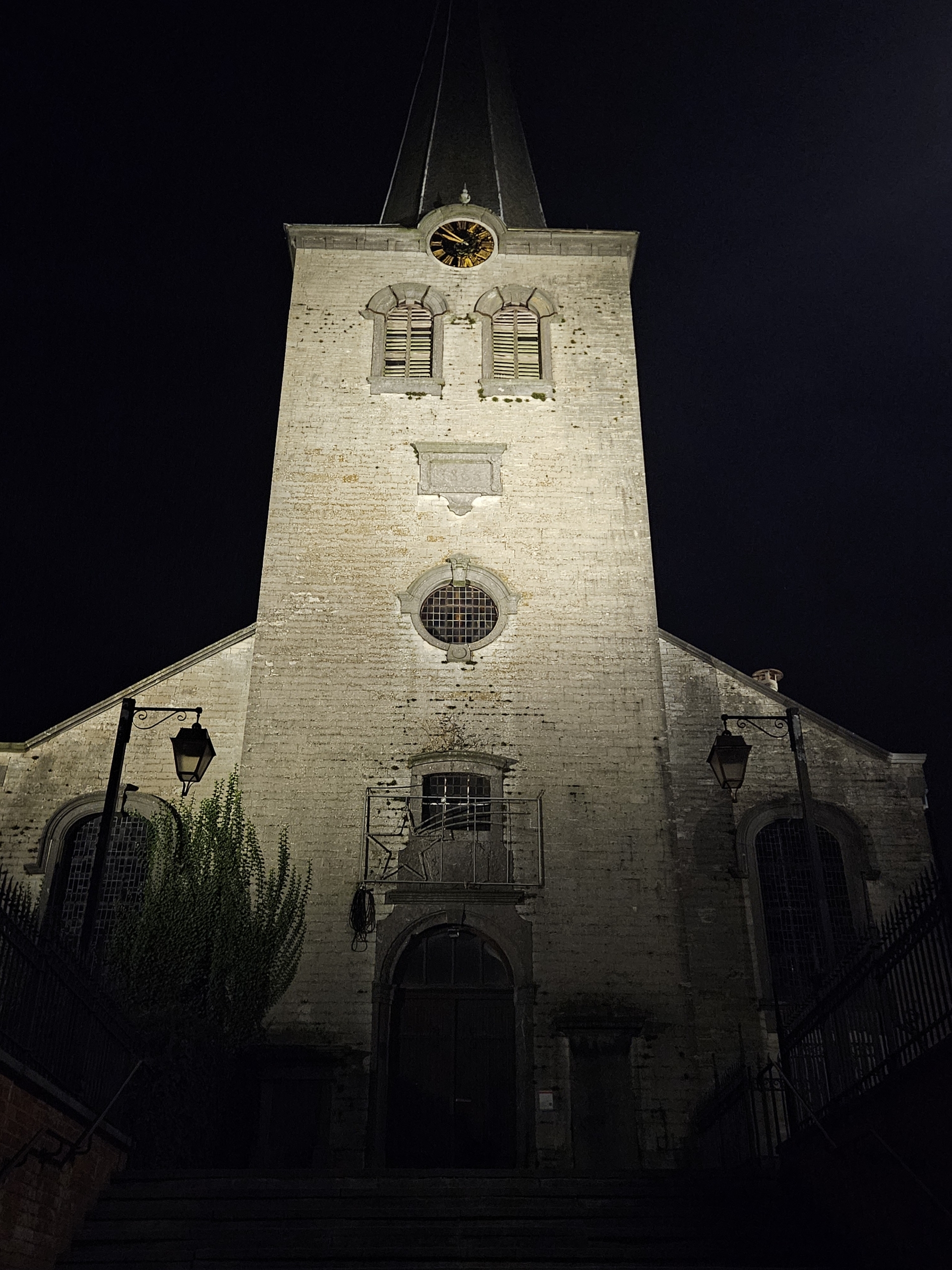
Still in terms of impacts on biodiversity, we can mention the desynchronization of biological rhythms, notably with birds extending their nocturnal activities. This includes blackbirds that continue to sing at night in the city. Certain nocturnal species, such as moths, are important pollinators. If these moths are attracted to artificial light sources, it can disrupt their ability to pollinate flowers, thus creating a pollination deficit, with indirect repercussions on diurnal fauna and flora.
Day ultimately owes much to night! “
The Impact of Light Pollution on Human Health
[PlantC]: “ And what about the effects of light pollution on human health? Has this been scientifically documented? “
[Thérèse Torrekens]: “Yes, artificial light has a real impact on human health. It inhibits the production of melatonin, a key hormone in regulating biological rhythms, such as the sleep cycle. This disrupts our sleep patterns and can also affect our immune system. Beyond the biological aspect, there is also a more subjective well-being dimension: how we perceive the nocturnal environment, our quality of life in an environment that is too much (or too little) lit.
The good news is that light pollution is not persistent. It disappears as soon as its sources are eliminated. This is precisely what the Lunéfil project aims to do: help local stakeholders reduce this pollution while preserving the needs of urban lighting. “
The Lunéfil Project
[PlantC] : “ Could you tell us a bit more about the Lunéfil project, its objectives, and the audiences it reaches? “
[Thérèse Torrekens]: “Lunéfil benefits from the Interreg funding program and concerns the cross-border Sambre region. This project brings together several Belgian and French partners: UCLouvain, the Avesnois Regional Natural Park, Espaces Environnement, Agence de Développement et d’Urbanisme Sambre-Avesnois Hainaut Thiérache, the Maubeuge Val de Sambre Agglomeration Community (F) and IGRETEC Charleroi Métropole.
Together, we are committed to adopting more restrained and environmentally friendly lighting practices. The main objectives are to develop a common lighting strategy, adapted to biodiversity challenges, and to raise awareness among local stakeholders through training and events. We are also testing innovative and experimental technologies to create examples of good practices, particularly lighting systems that are more efficient and less disruptive to wildlife. The project is part of a participatory approach, where all stakeholders – including residents – are involved. And we can already observe that, even if the energy crisis has forced some municipalities to review their lighting, some are hesitant to revert. It’s a challenge, but it’s also an opportunity. “
Advice for Businesses
[PlantC]: “Do you have any advice for businesses wondering how they can act on this issue? “
[Thérèse Torrekens]: “The goal is not to eliminate all lighting, but rather to light better, according to real needs. It is essential to ask the right questions: Why light certain places at night? Is it really necessary to leave commercial signs lit all night?
Public lighting is often justified by security reasons, but it is useful to question its real added value in light of its impacts. The links between lighting and a decrease in crime or burglaries are not clearly established, and alternatives such as motion detectors can sometimes be more appropriate. Regarding road safety, the effects of lighting remain debated, with some studies suggesting it can induce speeding on highways.
If lighting is necessary, it is important to direct the light towards the ground rather than sending it into the sky or towards a neighbor’s property. There are indicators like the ULOR index which quantifies the proportion of light directed towards the sky. It is also important to reduce the duration of lighting: should lights be left on for more than an hour after offices close? Motion detection systems or adapted time slots can help reduce consumption while having a controlled impact on biodiversity.

The choice of color temperature is also crucial: favoring warmer lights is a more environmentally friendly option for the nocturnal environment. And of course, businesses have the power to raise awareness among their employees: this potential for impact through a “ripple effect” should not be overlooked.
Businesses can also seize certain opportunities, such as during the renovation of their infrastructure or the installation of new lighting. The rebound effect must be avoided: do not multiply light points under the pretext that LEDs consume less energy. Every opportunity must be seized to adapt lighting in order to limit the energy bill, preserve biodiversity, and improve our health. “
For more information on Lunéfil, visit their website or refer to their publications.