


All these green infrastructures create shelter, food and movement corridors for the wildlife of the agricultural plain. They will also promote the protection of future crops from climatic hazards (agroforestry schemes that favor water runoff, anti-erosion efforts, with a shading function and, to some extent, windbreaks).
-
Hedge Development in Mont-St-GuibertGet inspired


A LOCAL SMALL FRUIT PRODUCTION PROJECT, BUT THAT’S NOT ALL!
An ambitious producer, with unwavering motivation and a head full of sustainable projects in Mont-Saint-Guibert! Indeed, PlantC was keen to hear from Olivier Monnart, an agronomist. Olivier plans to produce quality small fruits on his plot. In parallel, the area is being developed to prevent flooding events. Finally, the aim was to promote biodiversity.
A project of approximately 350 meters of native hedge was therefore conceived together, taking into account species that will produce pollen, fruits, and nectar for the surrounding wildlife.
A PROJECT WITH MULTIPLE IMPACTS
Firstly, the aim here is to support Olivier in realizing his project of local production of small fruits, and this, according to a sustainability framework. By supporting his hedge installations, PlantC enables Olivier to dedicate more funds to the development of his overall project. The ultimate goal is thus achieved: to plant a maximum number of trees in fields in a short time.
Mont-Saint-Guibert is one of the localities most affected by flooding, a notable consequence of climate change in our country. Coincidentally, it was precisely the day after the floods of July 15, 2021 that we visited Olivier’s plot. The PlantC team could therefore only observe the challenges associated with his project.
Through his plantings, Olivier Monnart thus contributes to improved soil permeability, and therefore to anticipating future rainy events. His project is close to residential areas, making the stakes even higher.
A HEDGE 100% FOCUSED ON BIODIVERSITY
Olivier is a true enthusiast, and the fight against biodiversity collapse is a serious matter for him. The composition of the hedge was therefore carefully considered in this regard. 17 species were selected to form the hedge, distributed according to the following layout (pink color on the development plan):
- A 175-meter section to the south.
- A 94-meter section to the east.
- 76 meters of internal hedges divided into 7 sections.
This is why Olivier certainly wants to produce local, quality small fruits for citizens and the catering sector, but according to a well-thought-out scheme.
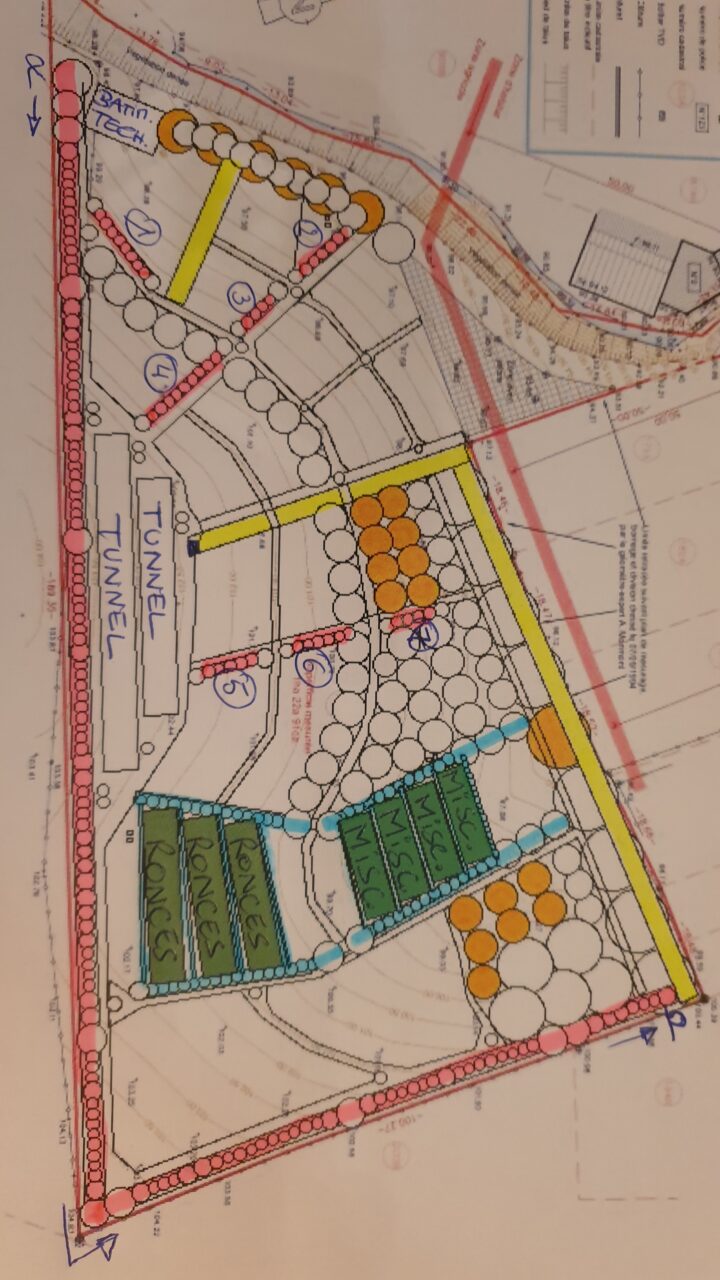
All these green infrastructures:
- create shelter, food and movement corridors for the wildlife of the agricultural plain.
- will promote the protection of future crops from climatic hazards (agroforestry schemes that favor water runoff, anti-erosion efforts, with a shading function and, to some extent, windbreaks).
A project in partnership with Walloon Brabant
That’s not all; this project is part of the mobilization of PlantC and Walloon Brabant around the collective project “Co-building the ecological network in Walloon Brabant“. Walloon Brabant contributes up to 70% of the project!
To learn more.
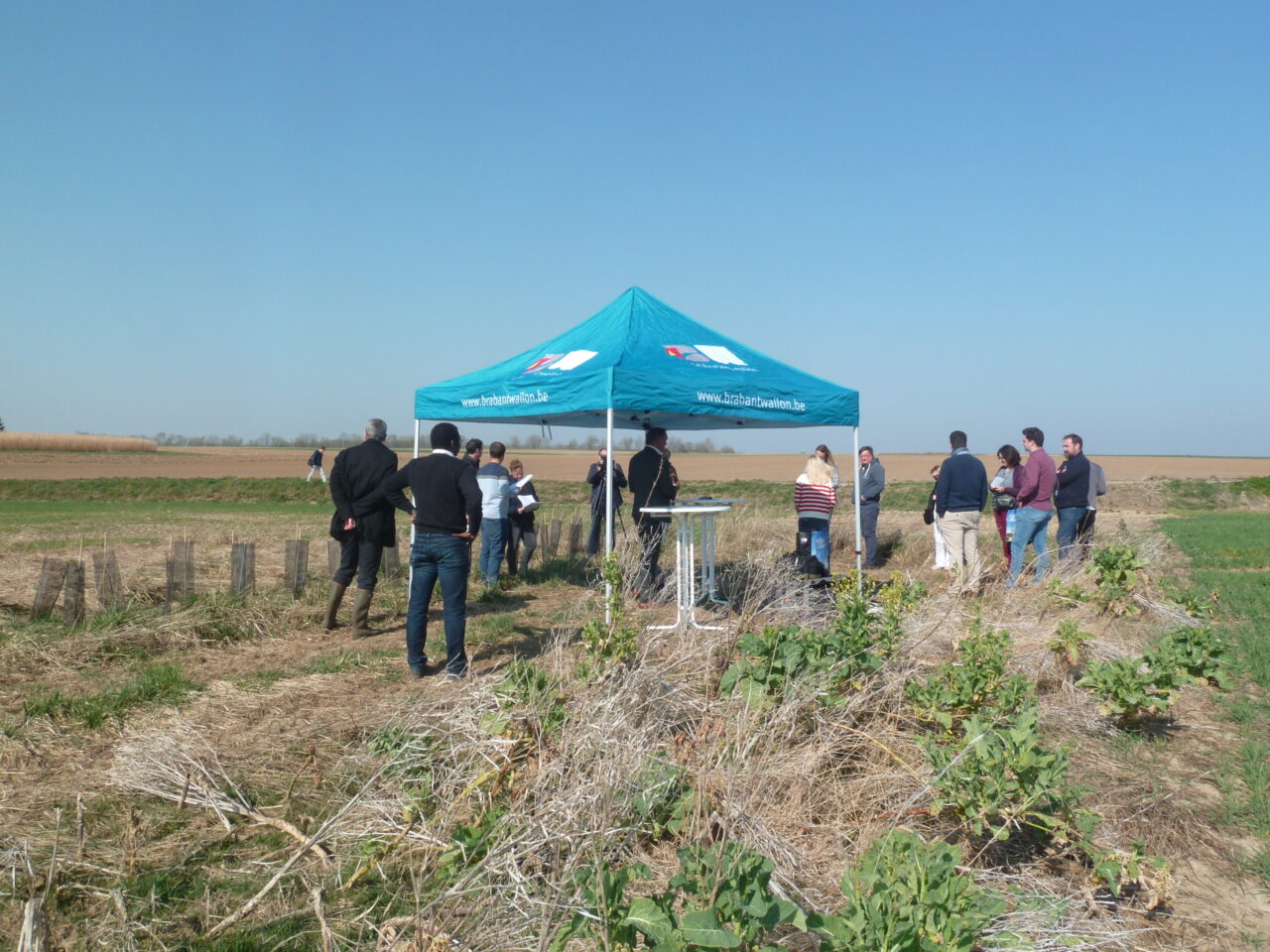
On June 8, 2023, Olivier welcomed us to his plot to present his hedge plantings and his associated activity of producing delicious small fruits in the making! Thanks to the companies present and also to those who could not join us but whose involvement made this wonderful project possible:
- Zoé and Jonathan – Adra Belgium,
- Frédéric, Anouck and Petrus – Blooo
- Olivier and Isabelle – Province of Walloon Brabant
- Jessica and Jeremy – Canopée Studio
- Charles –Max Cap Production
The PlantC team appreciated this moment of exchange to raise awareness among everyone present about the challenges of climate change, agricultural resilience, and finally, biodiversity. Finally, Olivier was also able to present his human-scale project! We can only wish him the best in this endeavor!
Discover the 350 meters of hedge:



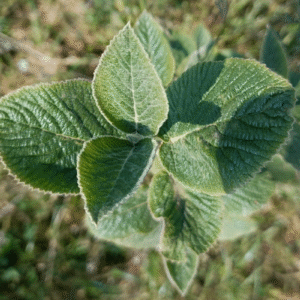


The hedge is thriving. The clover seeding is still sparse, but Olivier has nevertheless applied mulch. Maintenance is rigorous. Olivier explains that new bird species quickly come to occupy his plot. We can also observe that broom was the preferred food of voles. The installation of a raptor perch is planned, and the other species do not seem to have been targeted by the animal. Vigilance and careful tending are essential.
Hedge
-
Planting / installation period2022
-
Number of trees453
-
Meters of hedge350 m
-
Carbon40.91 T of carbon sequestered over 20 years
List of selected species
| Crataegus monogyna | |
|---|---|
| Cornus sanguinea | |
| Sambucus racemosa | |
| Ligustrum vulgare | |
| Rosa canina | |
| Viburnum lantana | |
| Sorbus aucuparia | |
| Ribes nigrum | |
| Euonymus europaeus | |
| Cytisus scoparius | |
| Mespilus germanica | |
| Cydonia oblonga |